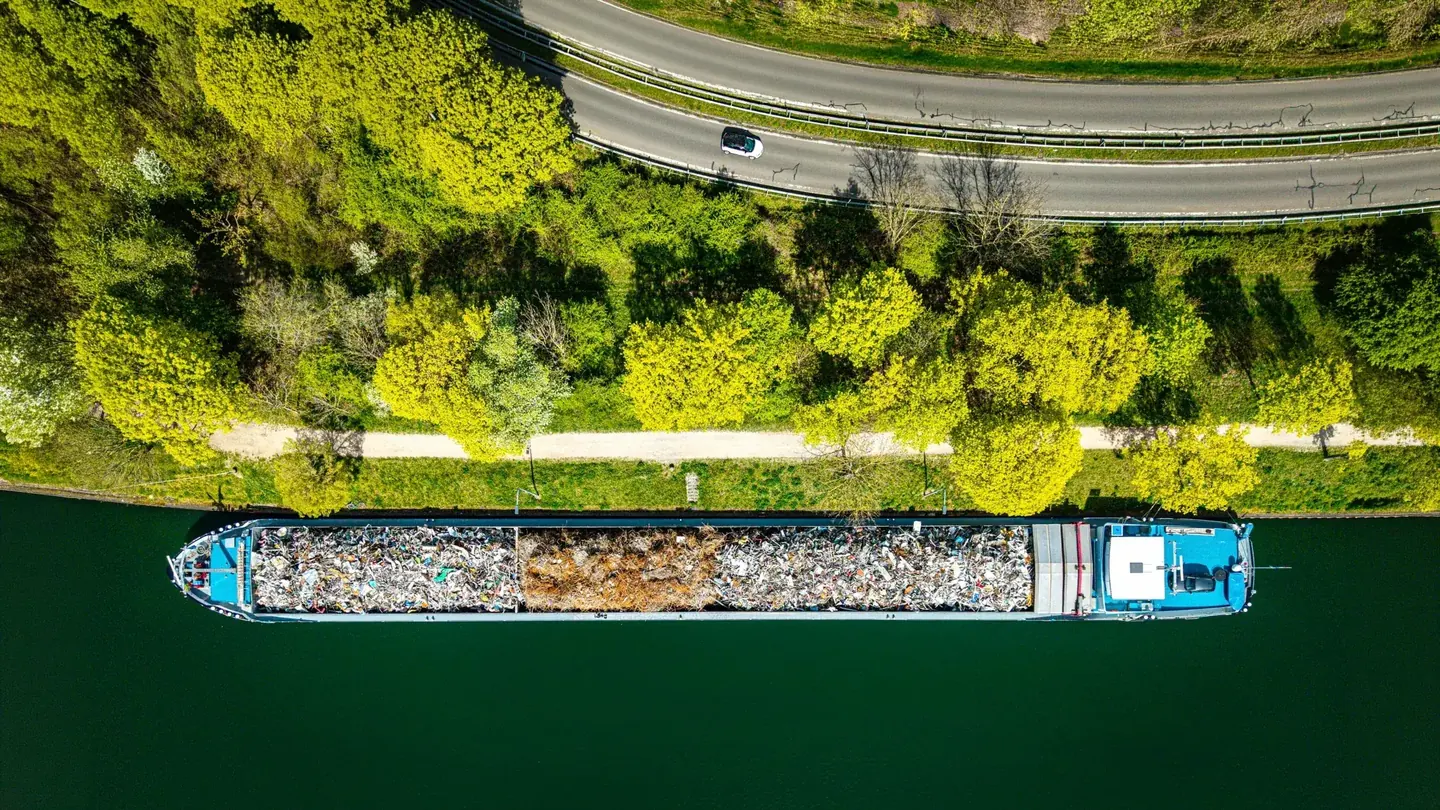
A waste transport barge moves material through a European river corridor, representing the distance and coordination required for centralized recovery.

INFRASTRUCTURE OPTIONS

The problem is not isolated. It is infrastructural.

Decoupling high-density computational scaling from centralized utility strain through modular farm-scale process engineering.

Recovery at territorial scale requires transport, labor, fuel, coordination, and time before treatment can begin. A waste transport barge moves material through a European river corridor.

01 / FLOW LOGIC

Every movement in a system has a cost.

As materials flow through a system, there is a cost in energy and time. On a farm, clean water and feed transform into an effluent stream that must be handled, transported, and disposed of every day. It is expensive for every farmer — and it often has a cascading negative impact when weather or volume push beyond what is manageable.

Farms, unlike industrial systems, are not part of a connected network. Every farm must maximize its resources locally and apply solutions in place. That constraint is also the opportunity.

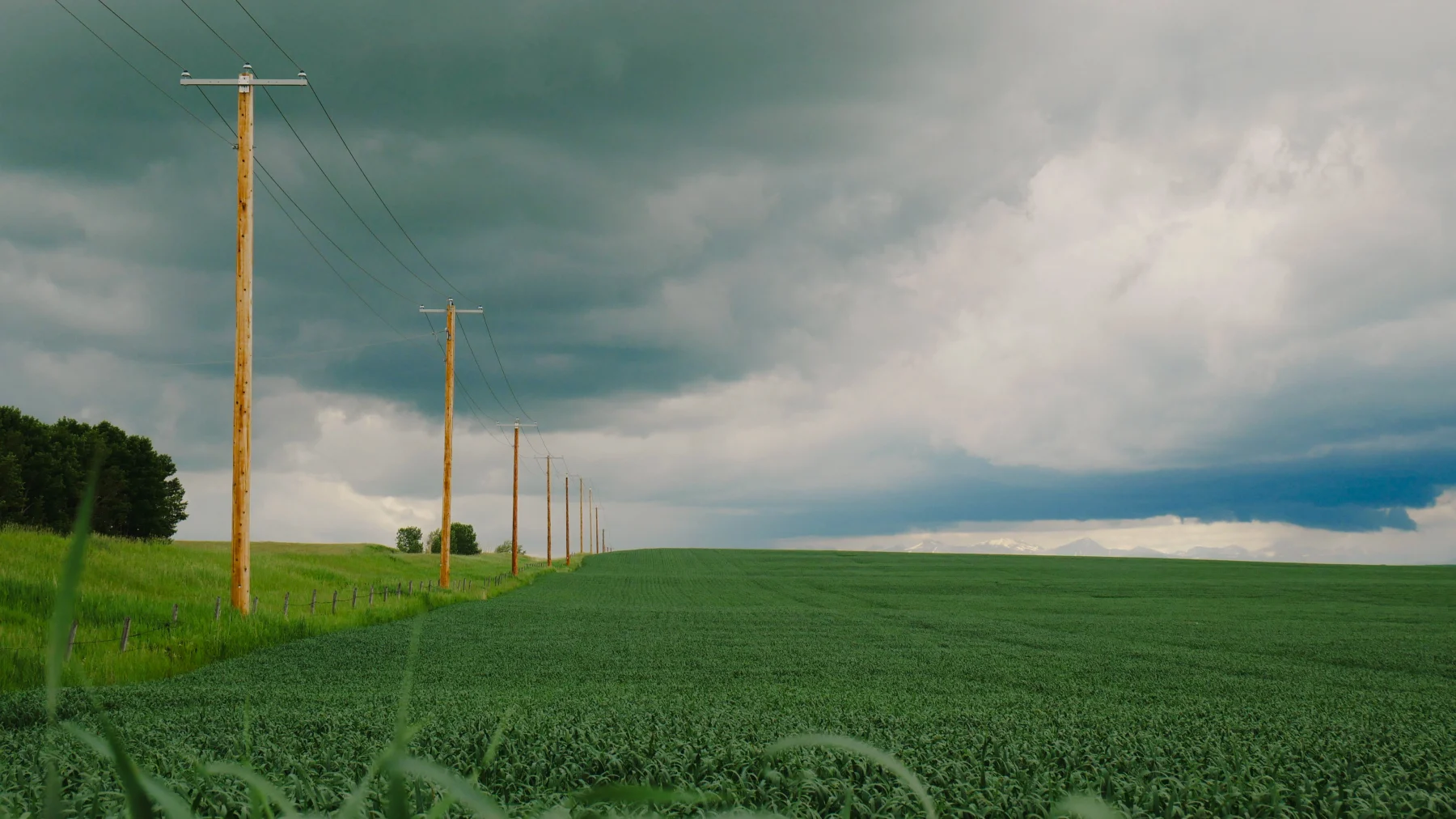
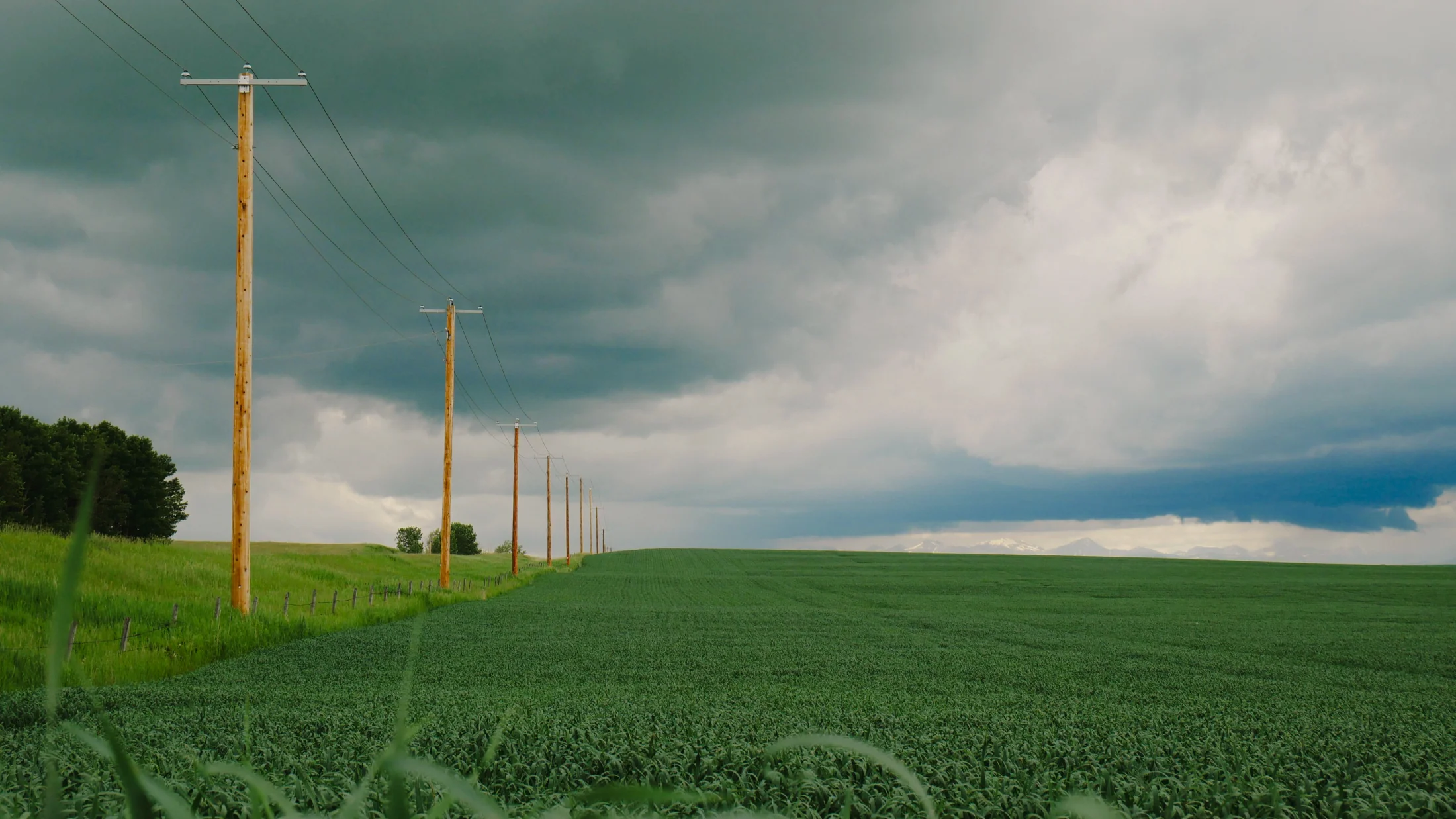
A rural electric installation connects a farm to the main grid — energy infrastructure bridging distance and landscape.

Flow becomes infrastructural when useful streams must move before they can be treated or returned. In rural locations, distance and landscape often become obstacles to efficient energy systems. A rural electric installation connects a farm to the main grid.

02 / CENTRALIZED HANDLING

Unnecessary movement is costly. Moving material is not a treatment strategy.

Some might think the way to handle farm effluent is a digester somewhere down the road, or a regional facility that collects from fifty farms and treats everything in one place. That model might work if you have the land, the permits, the capital, and twenty-five years of stable contracts to justify it. Most farmers don't — and they shouldn't have to.

Every mile farm effluent travels before it gets treated is a mile someone pays for. That's money spent moving a resource, not recovering value from it.

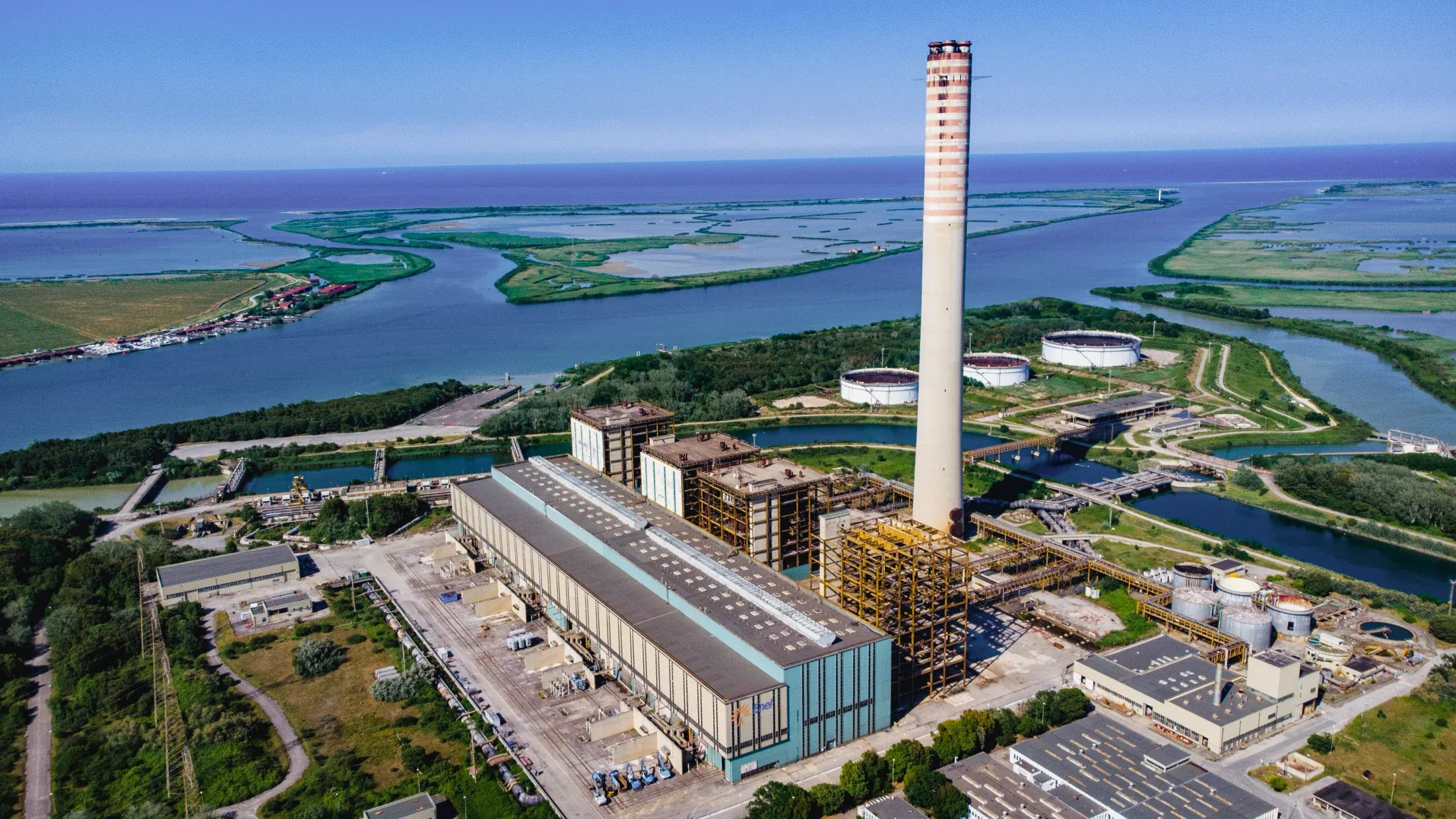
A large centralized treatment or recovery facility photographed from above, illustrating the scale of concentrated infrastructure.

Centralized recovery concentrates infrastructure, transport, land, and operational burden in one large site. The image shows a large treatment or recovery facility photographed from above; source metadata does not confirm the facility name or location.

03 / DISTRIBUTED CONTROL

Local systems work better.

We all understand the value of handling things ourselves. We maintain our own equipment, fix what breaks, get our hands dirty. That's how farms survive. The same logic applies to everything the farm produces — including its effluent. When there's a chance to find a local solution that saves money and keeps control on the farm, that's the one worth taking.

When the system is placed where the effluent is produced, the farm keeps control of the outcome. Less cost. Less time. More value recovered.

That is not an ideology about small versus large. It is a practical observation about where value survives the system that's supposed to capture it.

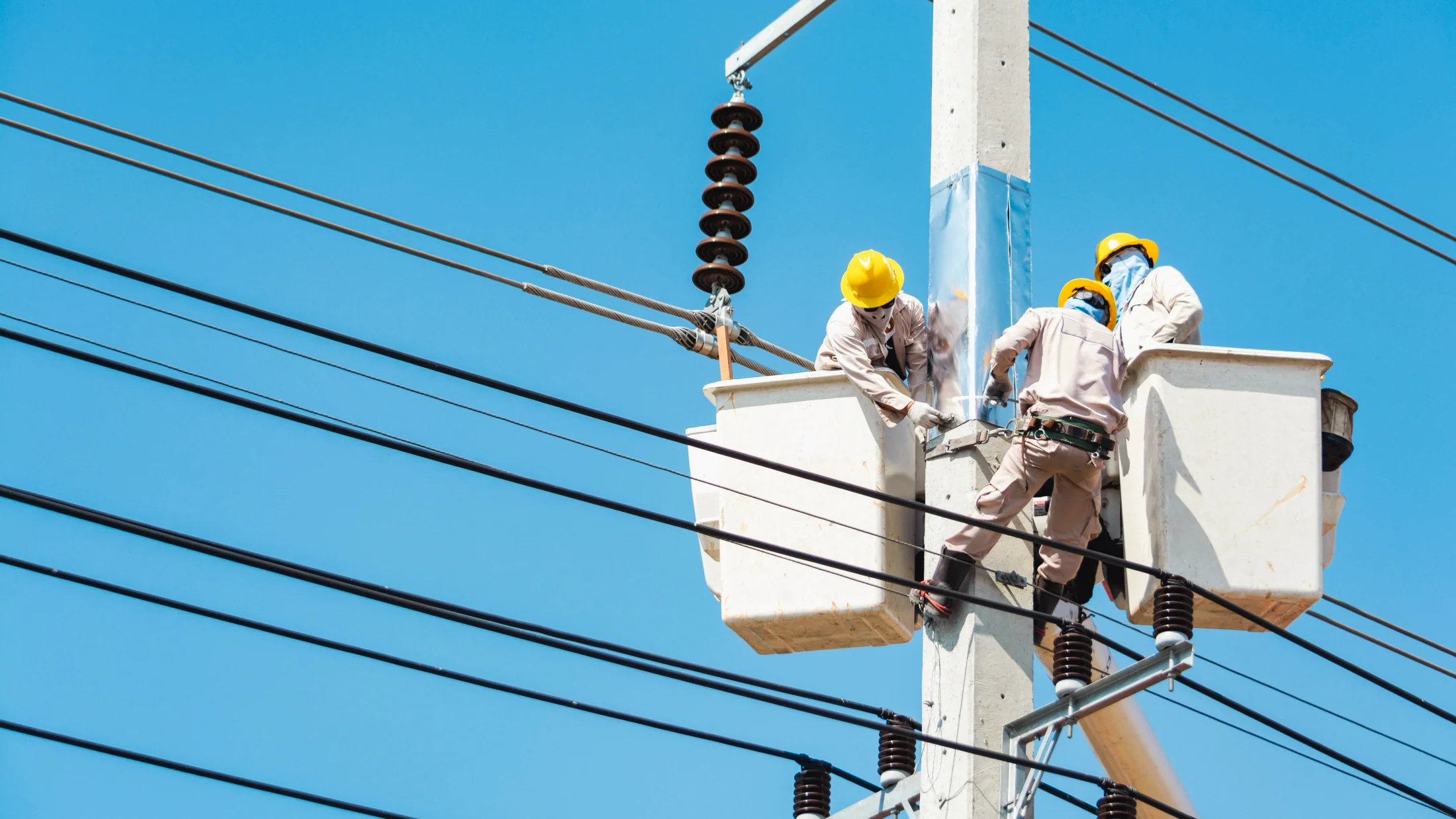
Field workers maintain electrical infrastructure — distributed energy systems require proximity to the operating condition.

Distance has material consequences: systems require corridors, labor, equipment, and maintenance before useful energy reaches use. Field workers maintain electrical lines from elevated service buckets.

04 / PLACEMENT

On-site equipment changes the economics and efficiency of a farm.

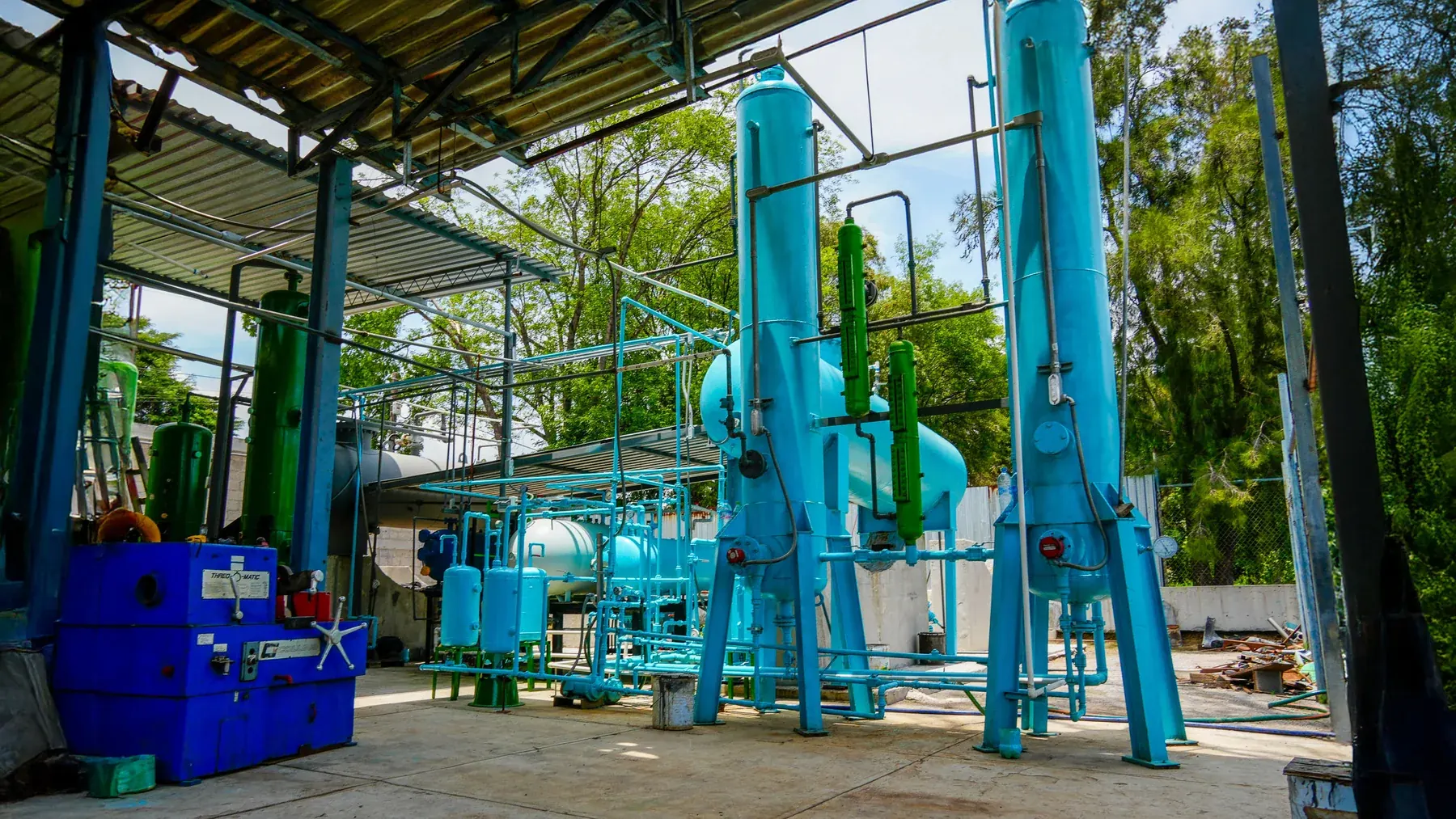
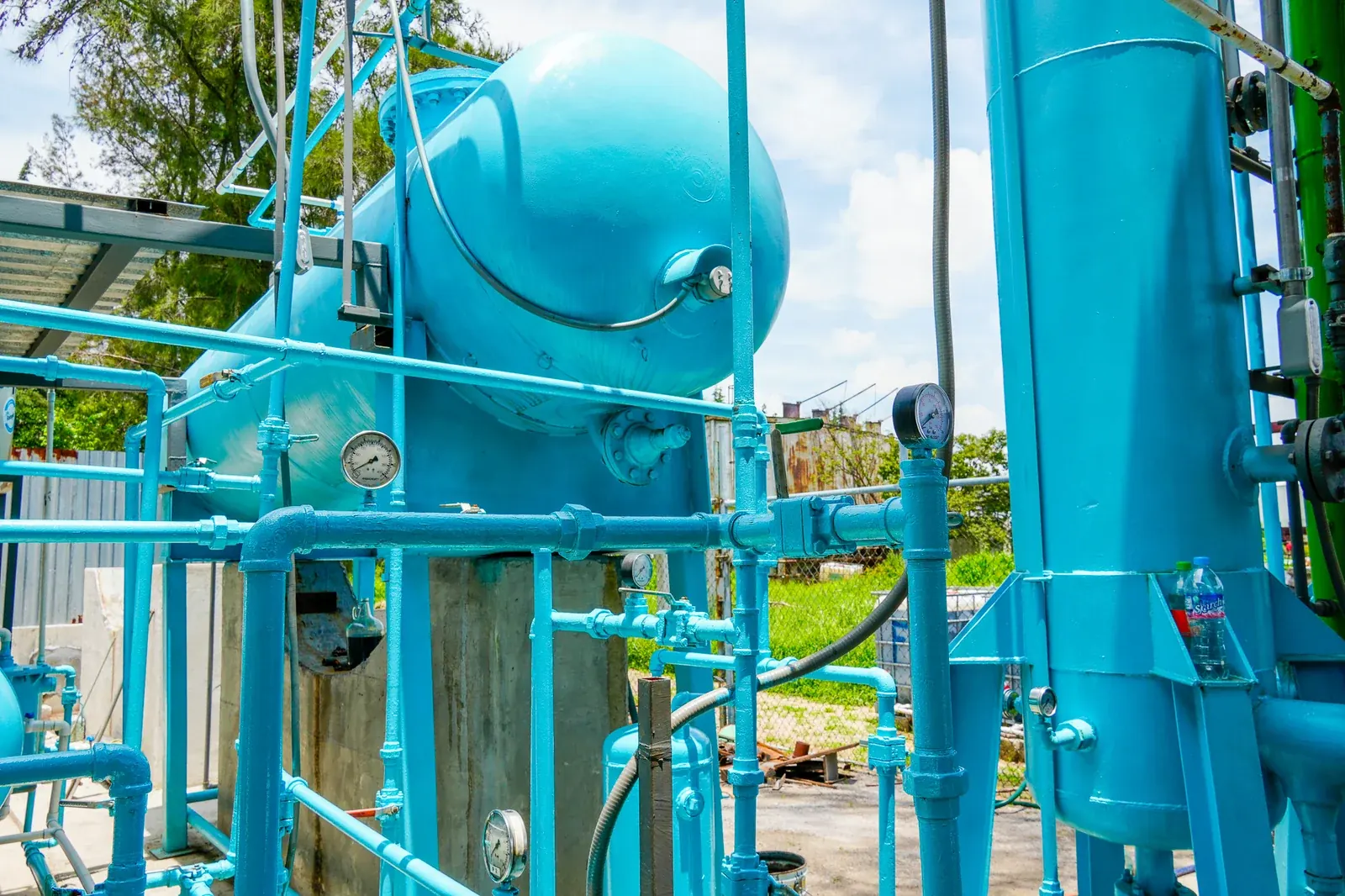
Time and distance matter in the real world — and so does scale. That is why the EcoTower is modular: designed to service each location with a solution sized for that operation. Large farm or small, remote or adjacent to existing infrastructure, the system comes to where the need is. The value stays where it was generated.

PROXIMITY
Less distance between stream, treatment, and use.
TIMING
Less delay before the system acts.
CONTROL
More decisions remain inside the operating context.
CONTINUITY
Return becomes part of operation, not an afterthought.
USS Gerald Ford aircraft carrier — representing the history of systems designed to process material streams at scale.

Scale has always been an infrastructure decision. The USS Gerald Ford represents the engineering commitment required when systems are designed to operate continuously, far from fixed support.

05 / CAPABILITY

Siting velocity and process purity are infrastructure options.

Siting Velocity: Pre-Approved Regional Footprints

In 2025, North Carolina passed a law — Session Law 2025-97 — that lets modular systems like ours deploy inside established regional agricultural footprints under existing operational permits. No waiting in the utility grid interconnection queue for three to five years. The site is already approved. The system arrives and starts working in months.

Operational Purity Tiers (Proytec Thermal Architecture)

The EcoTower runs on thermochemical gasification above 700°C — a process that has been running in industrial settings for decades, refined by engineers who spent their careers at PEMEX building infrastructure that doesn't get to fail. The basic system runs at $4M per unit. Specify it higher and you get advanced water treatment capable of producing sub-1-ppm TDS output — the grade that AI data center cooling systems require.

Technical Verification Vault

Parameter
Specification
Deployment pathway
NC Session Law 2025-97 — pre-approved footprints
Grid interconnect
Behind-the-meter — bypasses NEPA queue
Siting timeline
3–6 months from site approval
Process temperature
>700°C thermochemical gasification
Basic CapEx per unit
$4M
Advanced tier CapEx
Up to $6M per unit
Water output quality
Sub-1-ppm TDS (direct-to-chip cooling grade)
Scientific validation
Kung et al., iScience 28, Oct 2025 — ≈1.0 MWh/ton
Technology origin
Proytec S.A. de C.V. — 40+ years PEMEX engineering

Behavior comparison: distance changes timing, economics, and control. The diagram compares centralized delay with local immediacy.

06 / BEHAVIOR

The proof of infrastructure is behavior.

Two systems, same effluent. One ships it somewhere else before doing anything with it. The other acts on it where it sits. The first spends time and loses value before treatment even begins. The second doesn't.

The diagram makes the difference visible. It is not a theoretical argument. It is what the numbers show when you measure both.

07 / IMPLICATION

Once value can remain in use, it no longer needs to be recovered later.

That is the logic behind Greencycling. Not rescue after the fact — an operating cycle where value never leaves the system long enough to need recovering.

Continue to Greencycling

Ideal systems never waste — they always produce value.

Infrastructure redesign for continued growth.

Versión en español próximamente · Spanish version coming soon.